
CE series
FL 24 Hour Package: P&C Refresher
This package provides you will all of the hours you need for a two (2) year term; including the required 4-Hour Law and Ethics Update course.
Write your awesome label here.
Guaranteed Security using one of the most advanced encrypted systems on the market.
The information in this page is being processed and encrypted securely using industry-leading encryption and fraud prevention tools.
CE Program Contents

Insurance License Online offers our comprehensive and engaging courses which are designed to prepare you for success.
Quick Links
-
Home
-
About Us
-
How it Works
-
Licensing Information
-
Contact us
-
Continuing Ed (CE)
Our Courses
-
Property & Casualty
-
Customer Representative
-
Certified Adjuster
-
Life, Annuity & Health
Get in Touch
Follow Us
Copyright © 2026 Insurance License Online | All Rights Reserved.
The Four Cs of Bond Underwriting
ABC Contractors is bidding on a large infrastructure project to build a new highway. The project owner requires ABC Contractors to obtain a performance bond to ensure that the project will be completed according to the terms of the contract.
Character: The surety will assess the character of ABC Contractors by looking at their reputation, track record, and experience in completing similar projects. They may review past performance on projects, the company’s history of meeting deadlines, and any relevant certifications or industry awards. For example, if ABC Contractors has successfully completed several highway construction projects on time and within budget in the past, this demonstrates “good character”.
Capital: The surety will evaluate ABC Contractors’ financial strength and stability. This includes assessing the company’s liquidity, profitability, and overall financial health. The surety may review financial statements, cash flow projections, and other financial metrics to determine if ABC Contractors has the necessary financial resources to complete the project. For example, if ABC Contractors has a strong balance sheet, adequate cash reserves, and a history of profitability, this demonstrates sufficient capital.
Capacity: The surety will assess ABC Contractors’ ability to complete the project based on their resources, equipment, personnel, and expertise. This includes evaluating the company’s technical capabilities, project management skills, and workforce availability. The surety may review resumes of key personnel, equipment inventories, and project plans to ensure that ABC Contractors has the capacity to undertake the project. For example, if ABC Contractors has a skilled workforce, modern equipment, and a detailed construction plan in place, this demonstrates sufficient capacity.
Collateral: The surety may require collateral to mitigate the risk of issuing the performance bond to ABC Contractors. Collateral could include assets such as real estate, equipment, or cash that the company pledges as security for the bond. For example, if ABC Contractors owns valuable construction equipment or property, they may offer these assets as collateral to secure the bond.
Character: The surety will assess the character of ABC Contractors by looking at their reputation, track record, and experience in completing similar projects. They may review past performance on projects, the company’s history of meeting deadlines, and any relevant certifications or industry awards. For example, if ABC Contractors has successfully completed several highway construction projects on time and within budget in the past, this demonstrates “good character”.
Capital: The surety will evaluate ABC Contractors’ financial strength and stability. This includes assessing the company’s liquidity, profitability, and overall financial health. The surety may review financial statements, cash flow projections, and other financial metrics to determine if ABC Contractors has the necessary financial resources to complete the project. For example, if ABC Contractors has a strong balance sheet, adequate cash reserves, and a history of profitability, this demonstrates sufficient capital.
Capacity: The surety will assess ABC Contractors’ ability to complete the project based on their resources, equipment, personnel, and expertise. This includes evaluating the company’s technical capabilities, project management skills, and workforce availability. The surety may review resumes of key personnel, equipment inventories, and project plans to ensure that ABC Contractors has the capacity to undertake the project. For example, if ABC Contractors has a skilled workforce, modern equipment, and a detailed construction plan in place, this demonstrates sufficient capacity.
Collateral: The surety may require collateral to mitigate the risk of issuing the performance bond to ABC Contractors. Collateral could include assets such as real estate, equipment, or cash that the company pledges as security for the bond. For example, if ABC Contractors owns valuable construction equipment or property, they may offer these assets as collateral to secure the bond.
Bond Underwriting Tools
XYZ Construction is a relatively new company that has won a bid to construct a large commercial building. However, due to its limited financial history and the size of the project, the project owner requires XYZ Construction to obtain a performance bond. The surety company conducting the underwriting process determines that XYZ Construction lacks sufficient capital and financial stability to secure the bond solely based on their financial standing. Therefore, the surety requires collateral as a form of security before issuing the bond.
Collateral Requirement: The surety company requests XYZ Construction to provide collateral to secure the performance bond. In this case, the collateral could be in the form of liquid assets, such as cash or marketable securities, or tangible assets, such as equipment or real estate. The purpose of collateral is to provide the surety with an additional source of funds in case XYZ Construction fails to fulfill its obligations under the contract.
Assessment of Collateral: XYZ Construction offers a piece of commercial real estate that it owns as collateral for the performance bond. The surety company conducts an assessment of the property to determine its value and suitability as collateral. This assessment may involve hiring a third-party appraiser to evaluate the property’s market value and conducting due diligence to ensure that the property is free from any encumbrances or legal issues.
Underwriting Process: The surety company also evaluates other aspects of XYZ Construction’s financial health, such as its cash flow, liquidity, and profitability, as part of the underwriting process. Additionally, the surety may require XYZ Construction to provide a personal indemnity agreement or obtain an indemnitor—a financially strong individual or entity who agrees to be responsible for fulfilling XYZ Construction’s obligations under the bond in case of default.
Joint Control Mechanism: In some cases, the surety may require the implementation of joint control mechanisms to mitigate risks associated with issuing the bond. For example, the surety may require that payments under the contract be made jointly to XYZ Construction and the project owner or that funds be deposited into a joint control account managed by both parties.
Collateral Requirement: The surety company requests XYZ Construction to provide collateral to secure the performance bond. In this case, the collateral could be in the form of liquid assets, such as cash or marketable securities, or tangible assets, such as equipment or real estate. The purpose of collateral is to provide the surety with an additional source of funds in case XYZ Construction fails to fulfill its obligations under the contract.
Assessment of Collateral: XYZ Construction offers a piece of commercial real estate that it owns as collateral for the performance bond. The surety company conducts an assessment of the property to determine its value and suitability as collateral. This assessment may involve hiring a third-party appraiser to evaluate the property’s market value and conducting due diligence to ensure that the property is free from any encumbrances or legal issues.
Underwriting Process: The surety company also evaluates other aspects of XYZ Construction’s financial health, such as its cash flow, liquidity, and profitability, as part of the underwriting process. Additionally, the surety may require XYZ Construction to provide a personal indemnity agreement or obtain an indemnitor—a financially strong individual or entity who agrees to be responsible for fulfilling XYZ Construction’s obligations under the bond in case of default.
Joint Control Mechanism: In some cases, the surety may require the implementation of joint control mechanisms to mitigate risks associated with issuing the bond. For example, the surety may require that payments under the contract be made jointly to XYZ Construction and the project owner or that funds be deposited into a joint control account managed by both parties.
Contract bonds guarantee the fulfilment of contractual obligations and are normally required by law on construction work or public work.
Bid Bonds
Bid Bonds are attached to initial bids of a Principal (i.e. a contractor) which guarantees an Obligee (the party the work is being done for) if a bid is awarded to the Principal the Principal will obtain a Performance Bond and complete ALL work as bid.
Bid Bonds are attached to initial bids of a Principal (i.e. a contractor) which guarantees an Obligee (the party the work is being done for) if a bid is awarded to the Principal the Principal will obtain a Performance Bond and complete ALL work as bid.
Contract bonds guarantee the fulfilment of contractual obligations and are normally required by law on construction work or public work.
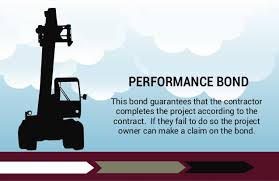
Performance Bonds
Performance Bonds guarantee indemnification to the Obligee for any losses resulting for the failure of the Principal to complete the contract work as bid, contracted, designed, required by law and industry standards.
Performance Bonds guarantee indemnification to the Obligee for any losses resulting for the failure of the Principal to complete the contract work as bid, contracted, designed, required by law and industry standards.
Contract bonds guarantee the fulfilment of contractual obligations and are normally required by law on construction work or public work.

Payment Bonds
Payment Bonds guarantee all labor and materials used on the job will be paid for by the Principal at or before the completion of the job.
Payment Bonds guarantee all labor and materials used on the job will be paid for by the Principal at or before the completion of the job.
Contract bonds guarantee the fulfilment of contractual obligations and are normally required by law on construction work or public work.
Maintenance Bonds
Maintenance Bonds guarantee the Principal’s correction of any faulty work and replacement of defective materials if required by law or contract.
Maintenance Bonds guarantee the Principal’s correction of any faulty work and replacement of defective materials if required by law or contract.
Contract bonds guarantee the fulfilment of contractual obligations and are normally required by law on construction work or public work.

Subdivision Bonds
Subdivision Bond – guarantees the Principal’s installation of contracted streets, sidewalks, sewers, streetlights and other infrastructure in a subdivision.
Subdivision Bond – guarantees the Principal’s installation of contracted streets, sidewalks, sewers, streetlights and other infrastructure in a subdivision.
Contract bonds guarantee the fulfilment of contractual obligations and are normally required by law on construction work or public work.

Supply Contract Bonds
Supply Contract Bonds guarantee the Principal’s delivery of goods at an agreed upon price.
Supply Contract Bonds guarantee the Principal’s delivery of goods at an agreed upon price.
Bonds are frequently required by courts in various forms of litigation. There are two general types of judicial bonds, "fiduciary" and "court":
Fiduciary Bonds
Fiduciary Bonds guarantee Principal’s undertakings as a fiduciary (a person or institution which has responsibility for the money, property, or financial affairs of another) to do so in an honest, faithful, and diligent manner.
Fiduciary Bonds guarantee Principal’s undertakings as a fiduciary (a person or institution which has responsibility for the money, property, or financial affairs of another) to do so in an honest, faithful, and diligent manner.
Bonds are frequently required by courts in various forms of litigation. There are two general types of judicial bonds, "fiduciary" and "court":

Probate Bonds
Probate Bonds are fiduciary bond are used to guarantee the Principal’s undertakings as trustee or executor in the estate of a decedent.
Probate Bonds are fiduciary bond are used to guarantee the Principal’s undertakings as trustee or executor in the estate of a decedent.
Bonds are frequently required by courts in various forms of litigation. There are two general types of judicial bonds, "fiduciary" and "court":

Conservation Bonds
Conservation Bonds are fiduciary bond which guarantee the Principal’s undertakings as trustee in preservation of property other than estates of decedents.
Conservation Bonds are fiduciary bond which guarantee the Principal’s undertakings as trustee in preservation of property other than estates of decedents.
Bonds are frequently required by courts in various forms of litigation. There are two general types of judicial bonds, "fiduciary" and "court":
Insolvency Bonds
Insolvency Bonds are fiduciary bonds which guarantee a Principal’s undertakings as trustee in bankruptcy and insolvency proceedings in protection of creditors.
Insolvency Bonds are fiduciary bonds which guarantee a Principal’s undertakings as trustee in bankruptcy and insolvency proceedings in protection of creditors.
Bonds are frequently required by courts in various forms of litigation. There are two general types of judicial bonds, "fiduciary" and "court":

Court Bonds
Court Bonds are furnished by plaintiffs and defendants in litigation to protect the opposing party from loss in the event the principal fails to show a legal entitlement to the remedy sought.
Court Bonds are furnished by plaintiffs and defendants in litigation to protect the opposing party from loss in the event the principal fails to show a legal entitlement to the remedy sought.
Bonds are frequently required by courts in various forms of litigation. There are two general types of judicial bonds, "fiduciary" and "court":
Bail Bonds
Bail Bond guarantees a Principal’s requirement of appearing in court.
Bail Bond guarantees a Principal’s requirement of appearing in court.

License Bonds
License Bond are used to protect the general public against unlicensed contractors and unfair business practices.
License Bond are used to protect the general public against unlicensed contractors and unfair business practices.
Indemnity Bonds
Indemnity Bonds are used to indemnify a governmental body for liability imputed to it by the negligence of the Principal.
Indemnity Bonds are used to indemnify a governmental body for liability imputed to it by the negligence of the Principal.

Permit Bonds
Permit Bonds are used to protect the general public against injury or property damage caused by the Principal for activities or operations that are events and not continuous operations.
Permit Bonds are used to protect the general public against injury or property damage caused by the Principal for activities or operations that are events and not continuous operations.

Franchise Bonds
Franchise Bonds are used like a license or permit bond when a governmental body awards a license to a utility.
Franchise Bonds are used like a license or permit bond when a governmental body awards a license to a utility.
There is no limitation on the types of situations wherein Suretyship may provide a desired guarantee. Following are just a few.

Public Official Bonds
Public Official Bonds are used to guarantee the Principal’s acts in his/her capacity as a public official.
Public Official Bonds are used to guarantee the Principal’s acts in his/her capacity as a public official.

Self-Insurance Bonds
Self-Insurance Bonds are used to guarantee the Principal’s compliance with an insurance requirement.
Self-Insurance Bonds are used to guarantee the Principal’s compliance with an insurance requirement.

Blue Sky Bonds
Blue Sky Bonds are used to guarantee the Principal’s representations as an investment company against defrauding the general public.
Blue Sky Bonds are used to guarantee the Principal’s representations as an investment company against defrauding the general public.

U.S. Internal Revenue Bonds
U.S. Internal Revenue Bonds are used to guarantee the Principal’s activities in the collection and reporting of taxes for controlled commodities.
U.S. Internal Revenue Bonds are used to guarantee the Principal’s activities in the collection and reporting of taxes for controlled commodities.

Customs Bonds
Customs Bonds are used to guarantee the Principal’s activities associated with importing and exporting.
Customs Bonds are used to guarantee the Principal’s activities associated with importing and exporting.